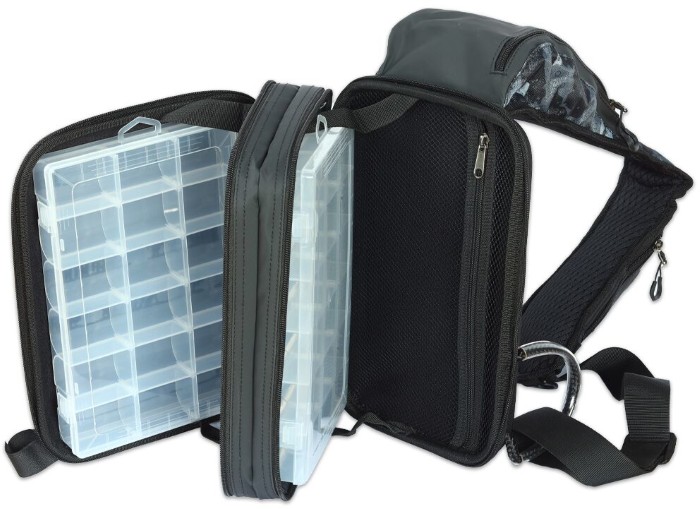
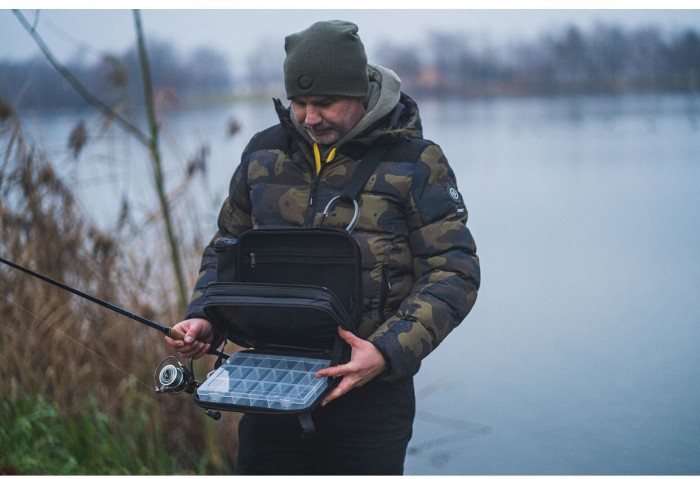
Specijalna torba za varaličarenje preko ramena, koja ima preklopni panel s dvije plastične kutije za mamce. Na podstavljenom dijelu remena nalaze se dva džepa, prvi namijenjen za telefon, a drugi primjerice za dokumente. Također ćete tamo pronaći praktičan džepić za držanje kliješta.
- Specijalna torba preko ramena, za lako prenošenje
- Dva zasebna pretinca s patentnim zatvaračem
- Sadrži dvije plastične kutije za mamce
- Podesivi remen preko ramena
- Držač štapa na čičak
- Dimenzije torbe: 30x24x10cm
- Dimenzije kutija: 27,5x18x4,2cm
- Težina: 1,4g
``` Wastewater treatment is an essential process for maintaining public health and protecting the environment. In the United States, wastewater treatment is regulated by the Environmental Protection Agency (EPA) under the Clean Water Act. The EPA sets standards for the quality of treated wastewater that can be discharged into surface waters, such as rivers, lakes, and oceans. Wastewater treatment plants use a variety of physical, chemical, and biological processes to remove contaminants from wastewater before it is discharged. These processes include primary treatment, which removes large solids; secondary treatment, which uses microorganisms to break down organic matter; and tertiary treatment, which removes remaining contaminants such as nutrients and pathogens. The treated wastewater is then disinfected to kill any remaining bacteria or viruses before it is discharged. Wastewater treatment is a critical component of modern society, and it is essential for protecting our water resources and ensuring a healthy environment for future generations. 1. What is the primary goal of wastewater treatment? 2. Which government agency regulates wastewater treatment in the United States? 3. What are the three main stages of wastewater treatment? 4. Why is treated wastewater disinfected before it is discharged? 5. How does wastewater treatment contribute to environmental protection? 6. What are some of the contaminants that are removed during wastewater treatment? 7. What is the role of microorganisms in secondary treatment? 8. Why is it important to remove nutrients from wastewater before it is discharged? 9. How does wastewater treatment protect public health? 10. What are some of the challenges facing wastewater treatment plants today? 11. How can individuals contribute to reducing the amount of wastewater that needs to be treated? 12. What are some of the emerging technologies in wastewater treatment? 13. How does wastewater treatment differ in urban and rural areas? 14. What are the economic benefits of wastewater treatment? 15. How does wastewater treatment impact the quality of surface waters? 16. What are the potential risks associated with discharging untreated wastewater? 17. How does wastewater treatment relate to water scarcity? 18. What are the international standards for wastewater treatment? 19. How does wastewater treatment affect aquatic life? 20. What is the future of wastewater treatment? 21. How can wastewater treatment plants become more energy-efficient? 22. What are the social implications of wastewater treatment? 23. How does wastewater treatment relate to climate change? 24. What are the ethical considerations in wastewater treatment? 25. How can wastewater treatment be integrated with other urban systems? 26. What are the policy implications of wastewater treatment? 27. How does wastewater treatment affect the nitrogen cycle? 28. What are the potential uses for treated wastewater? 29. How does wastewater treatment relate to the circular economy? 30. What are the long-term effects of wastewater treatment on the environment? 31. How can wastewater treatment plants be made more resilient to natural disasters? 32. What are the public perceptions of wastewater treatment? 33. How does wastewater treatment relate to environmental justice? 34. What are the technological innovations in wastewater treatment? 35. How does wastewater treatment affect the phosphorus cycle? 36. What are the potential health risks associated with treated wastewater? 37. How does wastewater treatment relate to sustainable development? 38. What are the educational opportunities in wastewater treatment? 39. How does wastewater treatment impact the carbon cycle? 40. What are the potential benefits of decentralized wastewater treatment? 41. How does wastewater treatment relate to the UN Sustainable Development Goals? 42. What are the potential risks of using treated wastewater for irrigation? 43. How does wastewater treatment affect the sulfur cycle? 44. What are the potential benefits of resource recovery from wastewater? 45. How does wastewater treatment relate to the water-energy-food nexus? 46. What are the potential risks of using treated wastewater for industrial purposes? 47. How does wastewater treatment affect the oxygen cycle? 48. What are the potential benefits of using treated wastewater for groundwater recharge? 49. How does wastewater treatment relate to the concept of
Opis je automatski preveden, ispričavamo se zbog grešaka u tekstu.
Pogledajte puni opis